United States Dollar
 Shekel
 Euro
Euro
 British Pound
 Australian Dollar
 New Zealand Dollar
 Canadian Dollar

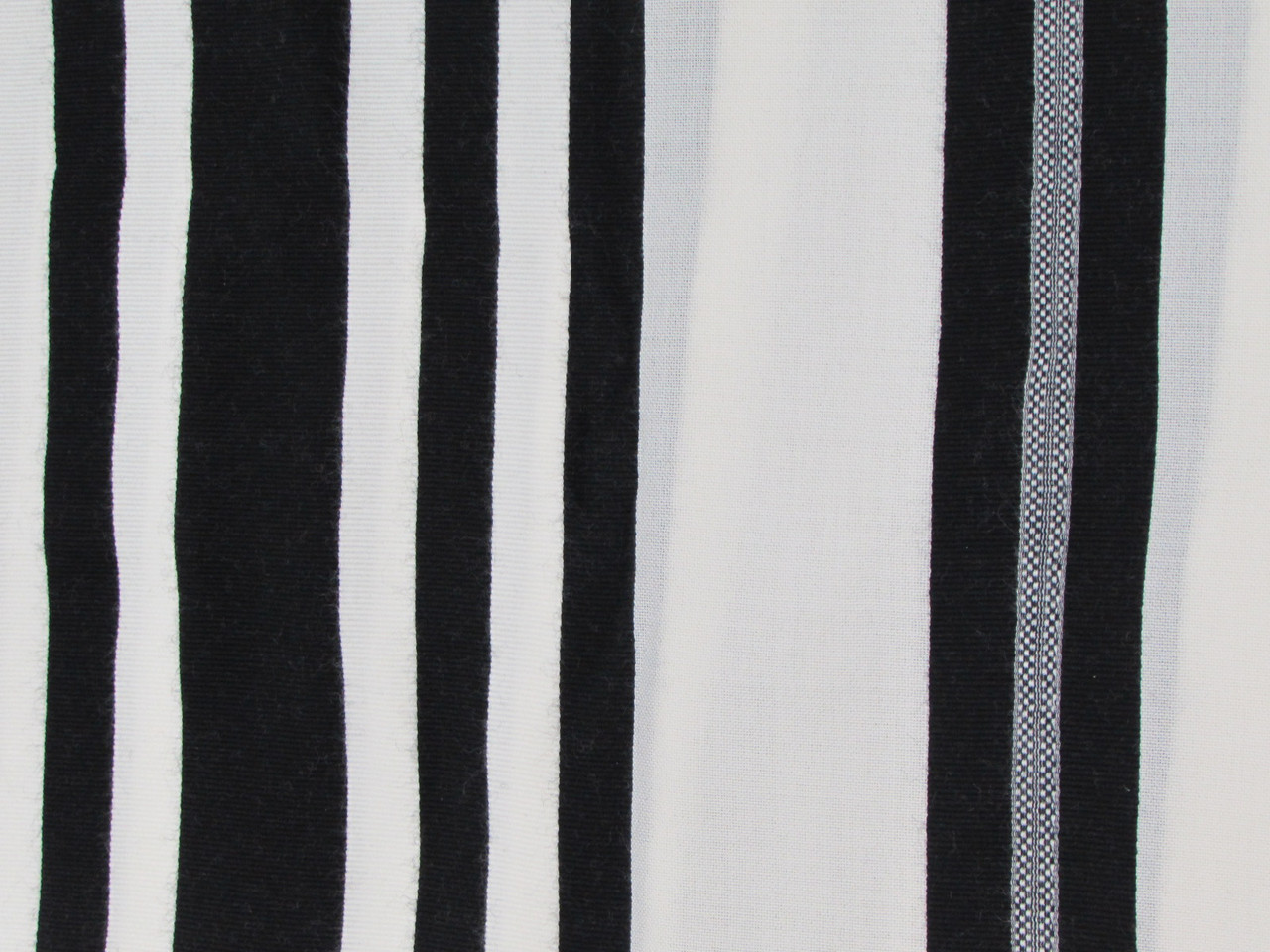


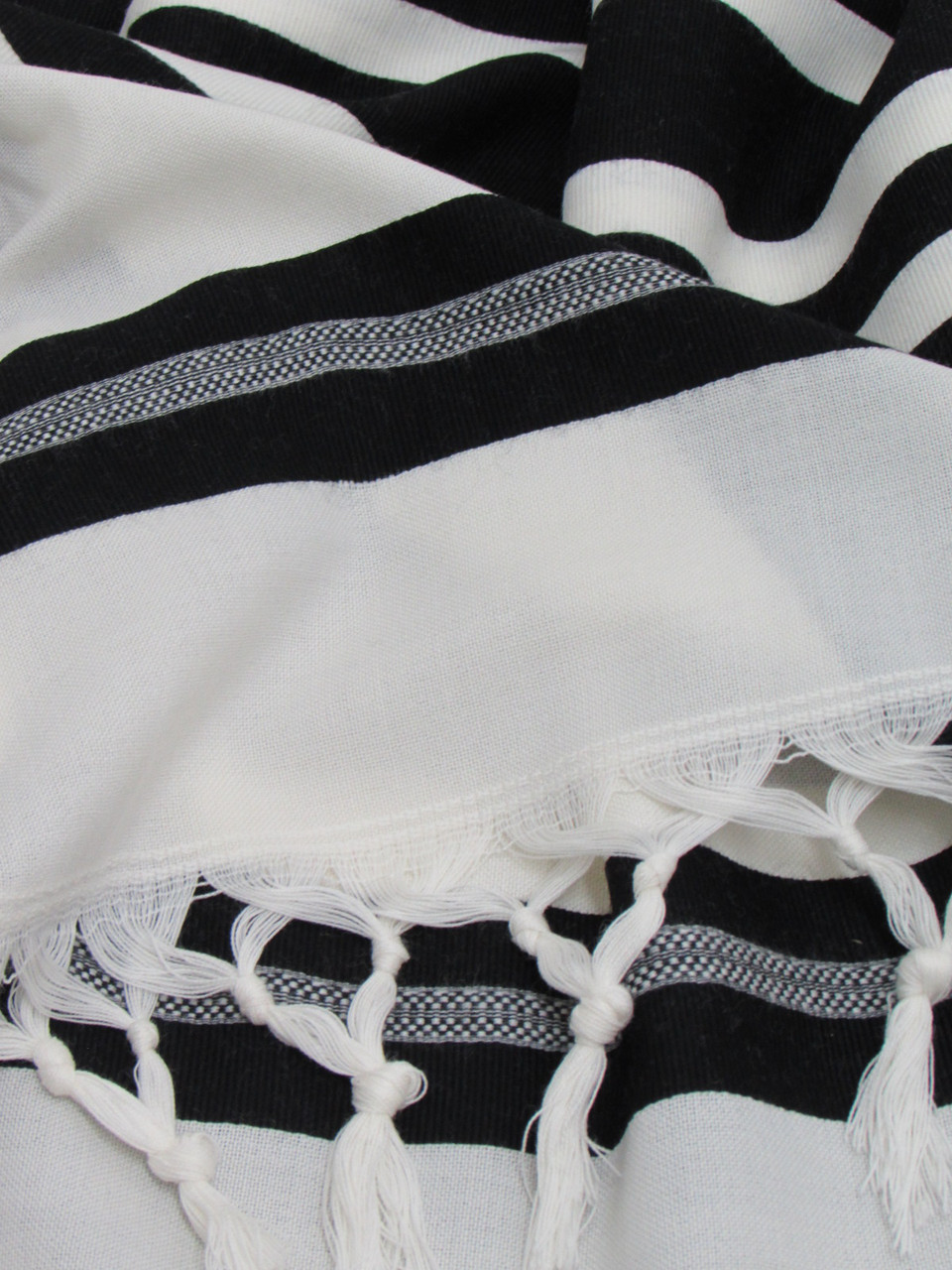




Product Description
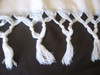
» Double-knotted fringes
» Half-lining
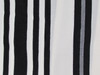
» Side bands
The History of the Turkish Tallit
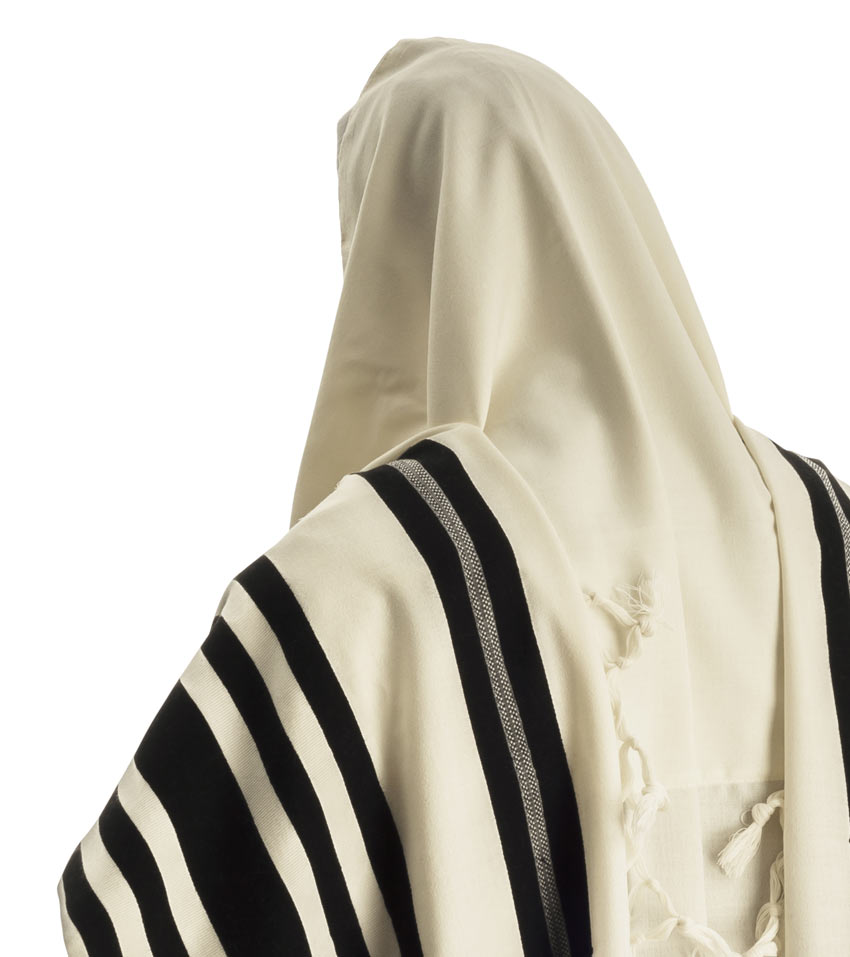
Despite its name, the “Turkish” tallit did not originate in modern-day Turkey. Rather, it developed among the Jewish communities of Tunisia, which was under Ottoman (Turkish) rule until the late 19th century. During that period, tallits produced in Tunis and surrounding regions were commonly referred to as “Turkish” simply because of their political administration.
This talit became popular because one of the Turkish sultans had banned flax plants, effectively making Tunisia a linen-free zone. Since wool products from Tunisia were known to be free of linen, there was no need to be concerned that one’s wool tallit contained shatnez. (In 2008 it was found that Turkish tallits could no longer be safely assumed to be free of linen and therefore require rabbinic supervision like other tallits.)
Over time, the distinctive features of the Echt Turkish tallit—its substantial weight, dense weave, lining, side reinforcements, and double-row fringes—became associated with durability, dignity, and tradition, and it became a sought-after commodity in various Jewish communities, particularly in Chassidic circles.
For generations, this style of tallit has been favored by those seeking a prayer shawl that reflects the look and feel of tallits worn in North African and Ottoman Jewish communities. Today, the Echt Turkish tallit remains a choice for wearers who value authenticity, longevity, and a tangible connection to Jewish prayer traditions of centuries past.
Echt Turkish vs. Kmo Turkish